
Why Is My Ice Maker Making Small or Hollow Cubes Even Though It Still Makes Ice?
By General Appliance Service
An ice maker that still produces ice can be misleading. Small, hollow, fragile, or misshapen cubes often mean the mold is not receiving a complete water fill, although cooling and harvest problems can also contribute.
A gradual change commonly suggests a water-flow restriction or aging filter. A sudden change may involve a frozen fill path, supply issue, or freezer-temperature problem.
What a Technician Checks When Ice Cubes Are Small or Hollow
Cube shape is a useful clue, not proof that one component has failed. Open centers and thin walls usually indicate incomplete filling: water reached the mold, but not in the measured amount needed for solid cubes.
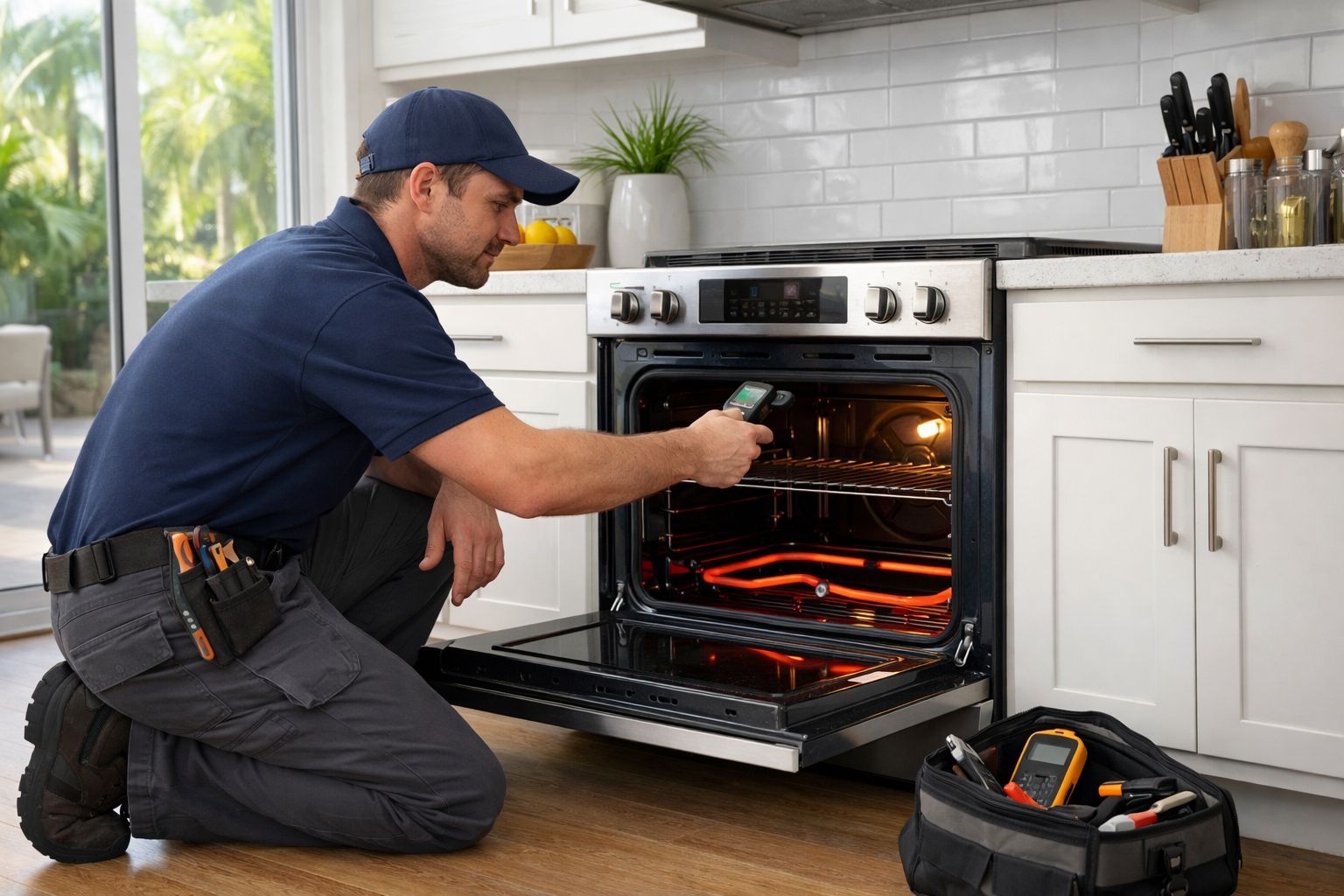
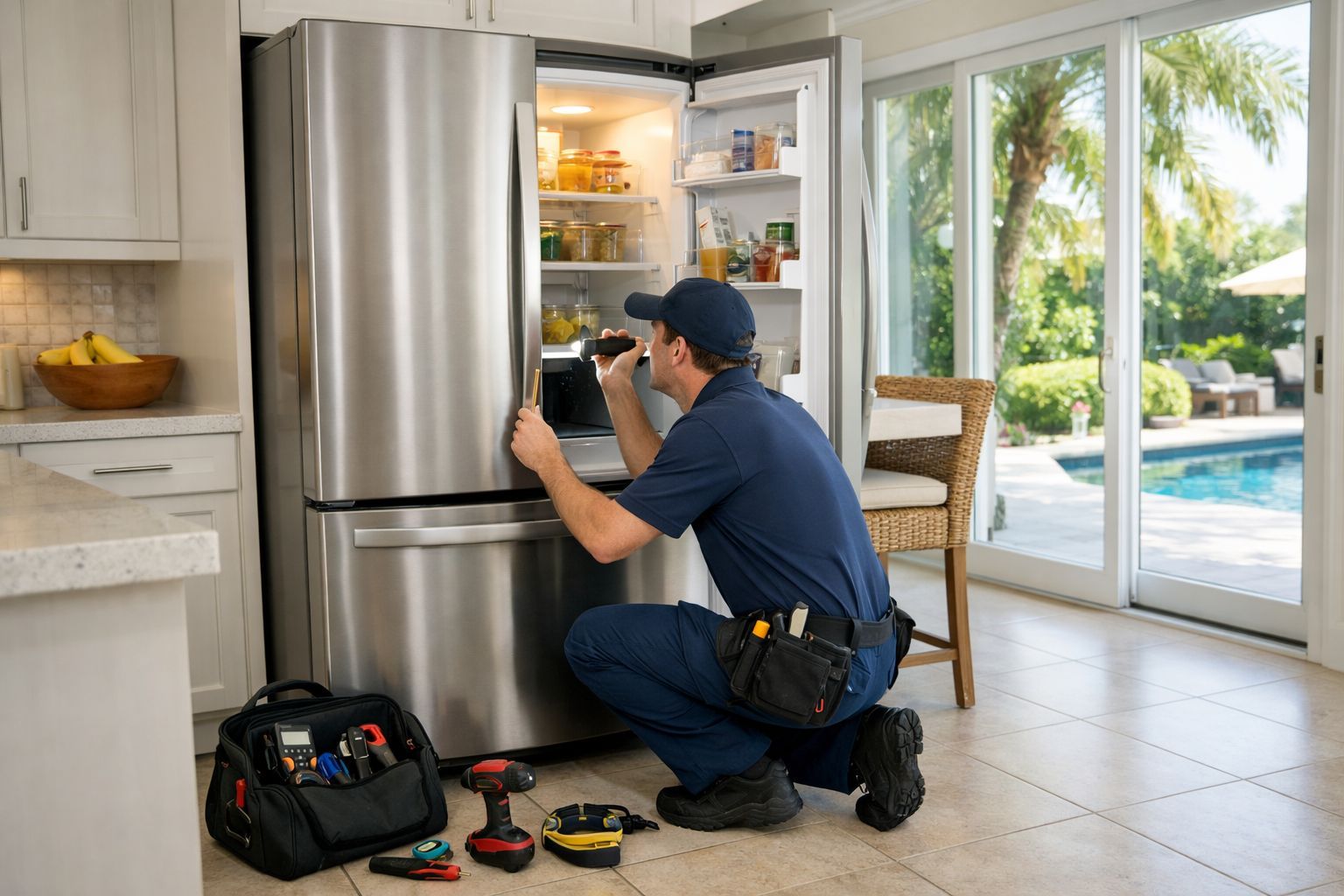
A technician first identifies whether the appliance has a refrigerator-integrated ice maker or a standalone unit. Refrigerator models depend on freezer temperatures, airflow, the water supply, filter housing, fill tube, inlet valve, wiring, and controls. Standalone units have separate reservoir, circulation, freezing, and drain considerations.
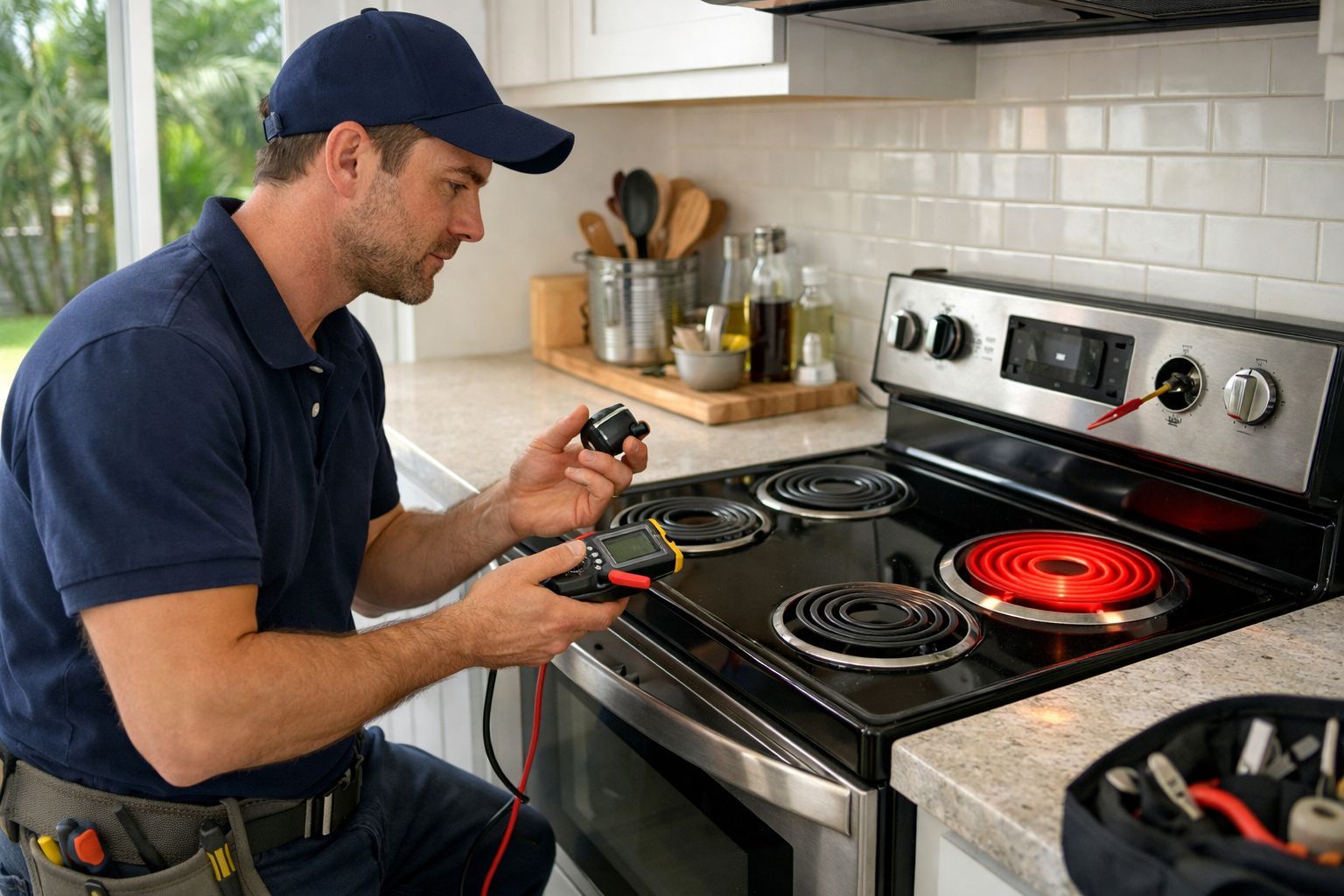
For refrigerator ice makers, testing may include checking actual compartment temperatures, observing fill and harvest operation, and inspecting the water path. A single successful fill does not rule out intermittent valve operation, a partially freezing fill tube, or an inconsistent control signal.
Restricted Water Flow Is a Common Cause of Incomplete Cubes
The mold needs a specific amount of water during each fill cycle. Restricted flow can leave it partially filled, creating small or hollow cubes. A clogged or overdue filter, kinked accessible supply line, partially opened shutoff, frozen fill tube, or weak inlet valve can produce similar symptoms.
Homeowners can safely confirm that the ice maker is on, refrigerator doors close fully, and the ice bin is not blocking a shutoff arm or sensor. Check the owner’s manual for the proper filter replacement procedure and record when the filter was last changed. Do not install an unapproved filter bypass.
Look only for visible kinks in accessible lines and confirm an accessible shutoff is fully open without moving plumbing. If water is leaking onto the floor, shut off the accessible water supply and arrange service promptly. Palm Coast ice maker repair can identify whether restricted delivery, a fill obstruction, or another cycle problem is responsible.
A Working Water Dispenser Does Not Clear the Ice Maker
Normal dispenser flow does not always mean the ice maker has adequate water delivery. Depending on the refrigerator, the dispenser and ice maker may use different tubing routes, valve sections, or control circuits.
A restriction can affect the smaller ice-maker fill path while the dispenser appears normal. Likewise, an inlet valve may work adequately for dispensing water but fail to open consistently during the brief, timed ice-maker fill.
Diagnosis should confirm where water delivery drops off before parts are replaced. A technician may inspect the fill tube for freezing or misdirection, test valve operation, and verify that the control sends the correct fill command. They also distinguish underfilling from a valve that drips after filling, which can create overfill and clumping problems.
Freezer Temperature and Airflow Can Affect Ice Quality
An ice maker can receive water yet make poor ice if its mold or compartment cannot remain cold enough. A freezer that feels cold by hand may still have marginal temperatures or airflow problems affecting freezing and harvest timing.
Watch for soft frozen food, heavy frost, door gaps, unusually long run times, or a refrigerator that runs almost constantly. Frost buildup and restricted airflow can affect the ice maker before the entire freezer seems obviously warm.
For integrated systems, refrigerator repair in Palm Coast can address cooling and airflow concerns rather than treating the ice maker as an isolated part. Record the model number, filter date, display codes, cube appearance, and whether the problem began gradually or suddenly.
Frequently Asked Questions About Small or Hollow Ice Cubes
Why does my ice maker make tiny cubes but still produce ice?
It may receive some water but not enough for a complete mold fill. Restrictions, a frozen fill tube, weak valve operation, or cooling issues can contribute.
Can an old refrigerator water filter cause hollow cubes?
Yes. A restricted filter can reduce flow enough to underfill the mold. Use the manufacturer-approved replacement procedure and filter for the refrigerator model.
Why does my dispenser work but my ice maker makes small cubes?
The dispenser may use a different water route, valve section, or control circuit. Normal dispenser flow does not eliminate an ice-maker fill-path problem.
Can a freezer that feels cold still affect ice production?
Yes. Hand-feel is not a reliable temperature test. Marginal temperatures, frost, airflow restrictions, or door-seal issues can disrupt normal ice-making cycles.
Should I replace the ice maker when cubes are misshapen?
Not before checking the filter, water supply, fill tube, temperatures, airflow, valve operation, and model-specific controls. Small cubes are a symptom, not a diagnosis.
Do not thaw a fill tube with sharp tools, force a harvest cycle, or disassemble live electrical components. For help in Volusia County, Daytona Beach Shores appliance repair is available through General Appliance Service at (386) 359-3215.