
Why a Gas Dryer Rattles Only When It Heats
By General Appliance Service
A gas dryer that tumbles quietly on Air Fluff but rattles, buzzes, or chatters on a heated setting offers an important clue. The sound may not come from the drum. When heat is requested, the dryer activates the ignition, gas valve, burner, and different airflow conditions that are inactive during a no-heat cycle.
The timing does not identify one failed part, but it gives a technician a more focused starting point.
What a Technician Checks When a Gas Dryer Rattles Only When Heating
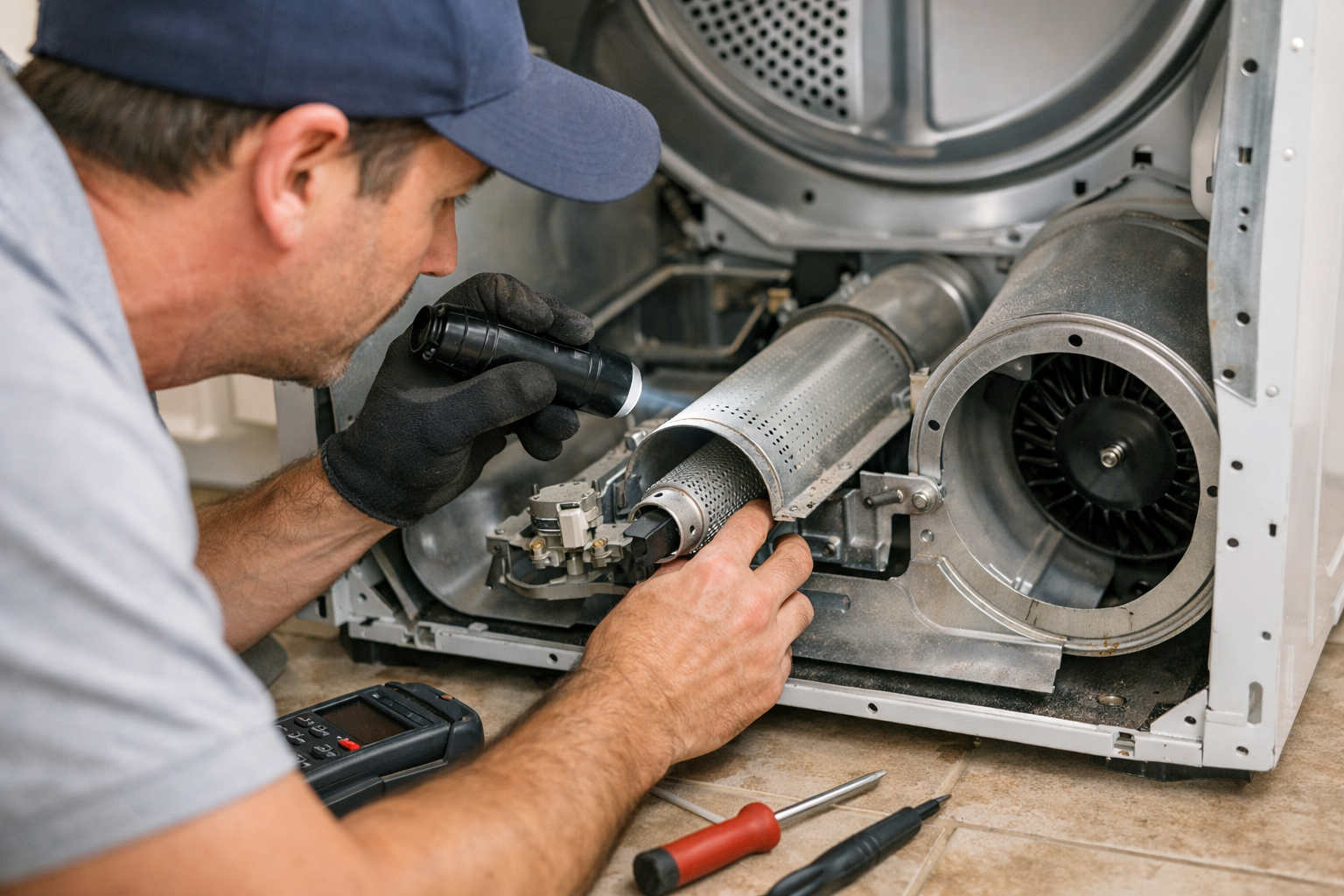
Gas dryers follow a sequence before producing heat: the controls call for heat, the igniter operates, the gas valve opens when conditions are correct, and the burner lights. A rattle beginning during that sequence may involve vibration near the burner or gas-valve area.
On some models, a weak or abnormally vibrating gas-valve solenoid coil can create a buzz or chatter while the burner operates. That does not mean coils are always responsible. A technician also checks burner mounting hardware, cabinet panels, internal fasteners, the blower housing, and the exhaust connection.
Heat can change how metal parts expand and vibrate. A loose panel may stay quiet while the drum turns, then resonate once burner operation and airflow begin. Drum rollers, the idler pulley, belt path, motor mounts, and blower wheel should also be inspected before blaming the gas system.
Why Air Fluff Can Be Quiet While a Heated Cycle Is Noisy
Air Fluff runs the drum and blower without calling for burner heat. If the dryer remains quiet through a full no-heat cycle but makes a metallic chatter soon after heating begins, that comparison is useful.
Note whether the sound happens once at ignition, continues while the burner is on, or returns as the dryer cycles heat on and off. Sound type matters as well. A squeal often suggests friction at a roller, pulley, belt, or motor-related part. A regular thump may follow the drum. Scraping can indicate contact between moving parts.
A buzz, chatter, or metallic vibration that follows burner operation deserves closer attention to the heat system and nearby cabinet components. Longer drying times are also worth reporting, although a rattle alone does not prove an airflow or burner problem.
Safe Checks Before You Arrange Gas Dryer Repair
Do not remove dryer panels, reach through cabinet openings, spray lubricant inside the appliance, or adjust burner components. Gas dryers contain electrical and gas-system parts that require proper testing and safe reassembly.
You can clean the lint screen according to the owner’s manual and observe the dryer from a normal distance. Record the selected cycle, when the noise starts, whether it stops as heat cycles off, and whether Air Fluff remains quiet.
Stop using the dryer immediately if you smell gas, notice smoke or a burning odor, see sparking, hear repeated ignition attempts, trip a breaker, or feel vibration severe enough to shake the cabinet. Do not run additional test cycles under those conditions.
A short video recorded from a safe distance can help document the sound. Include the model number, confirm that the appliance uses gas, and mention any change in drying performance.
Why Professional Diagnosis Matters
Replacing parts based on sound alone can waste money. Gas-valve coils can chatter on certain dryers, but a loose blower housing, cabinet fastener, or motor mount can create a similar vibration. Controls, sensors, wiring connections, and rotating components may also affect the heating sequence or make noise more noticeable.
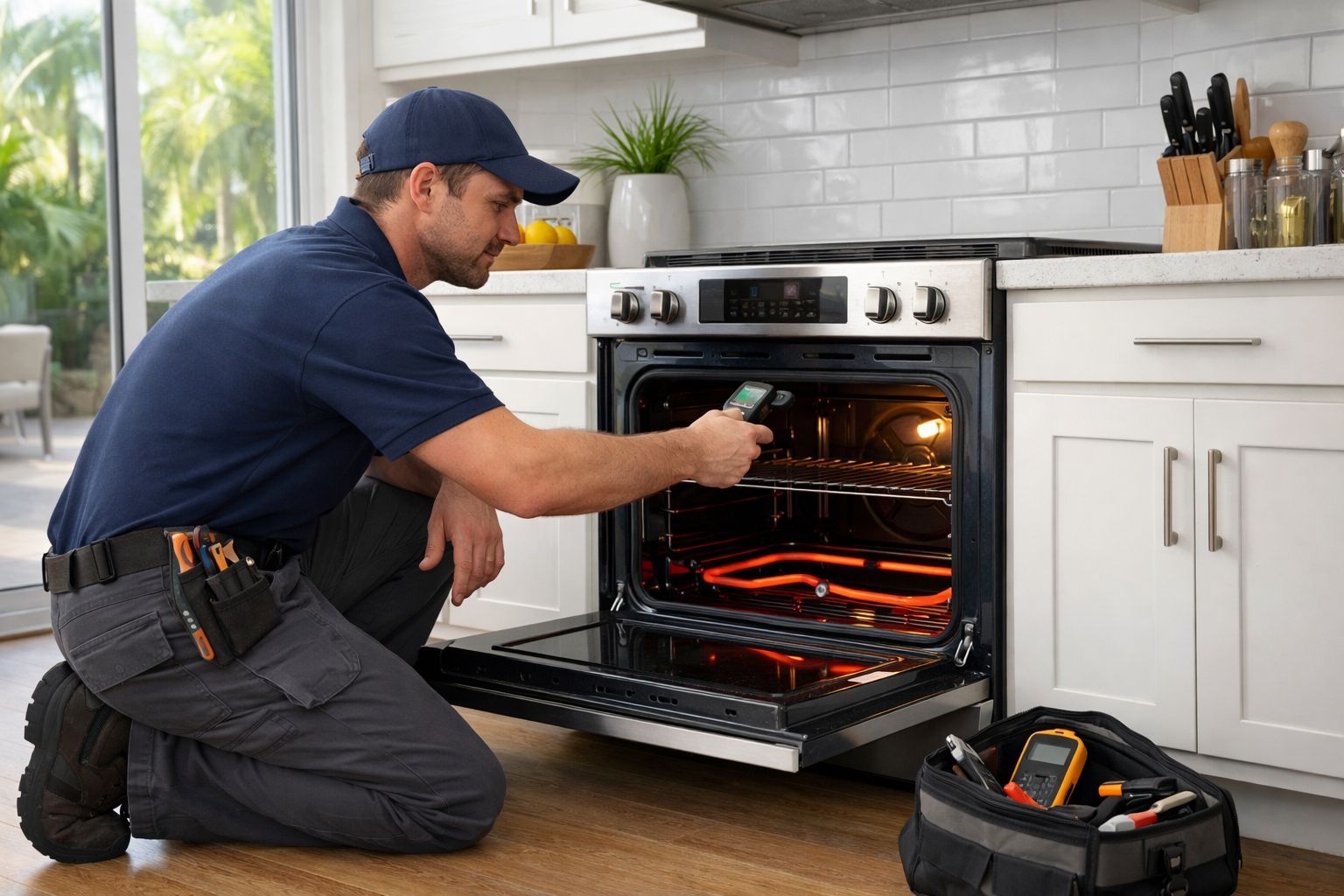
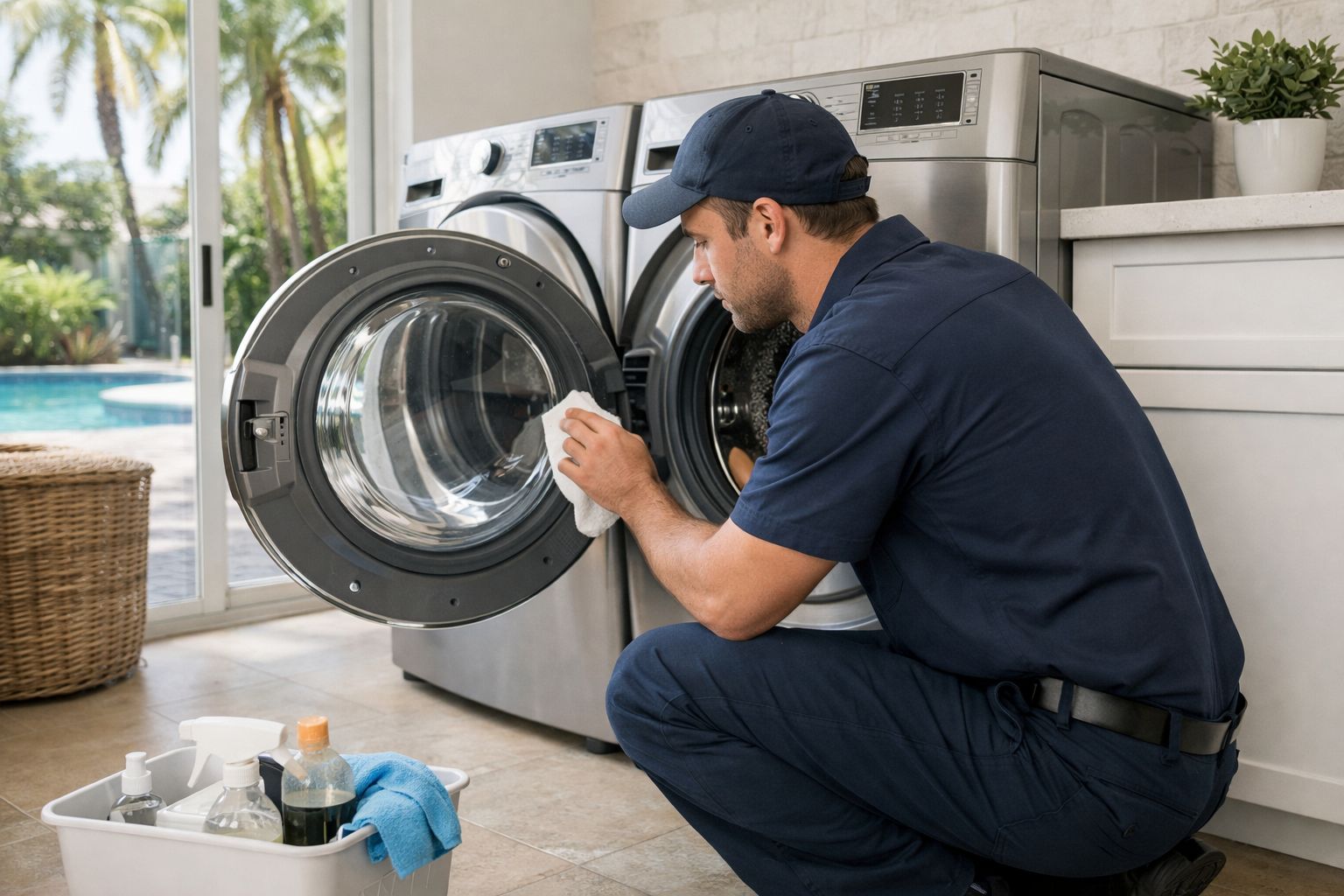
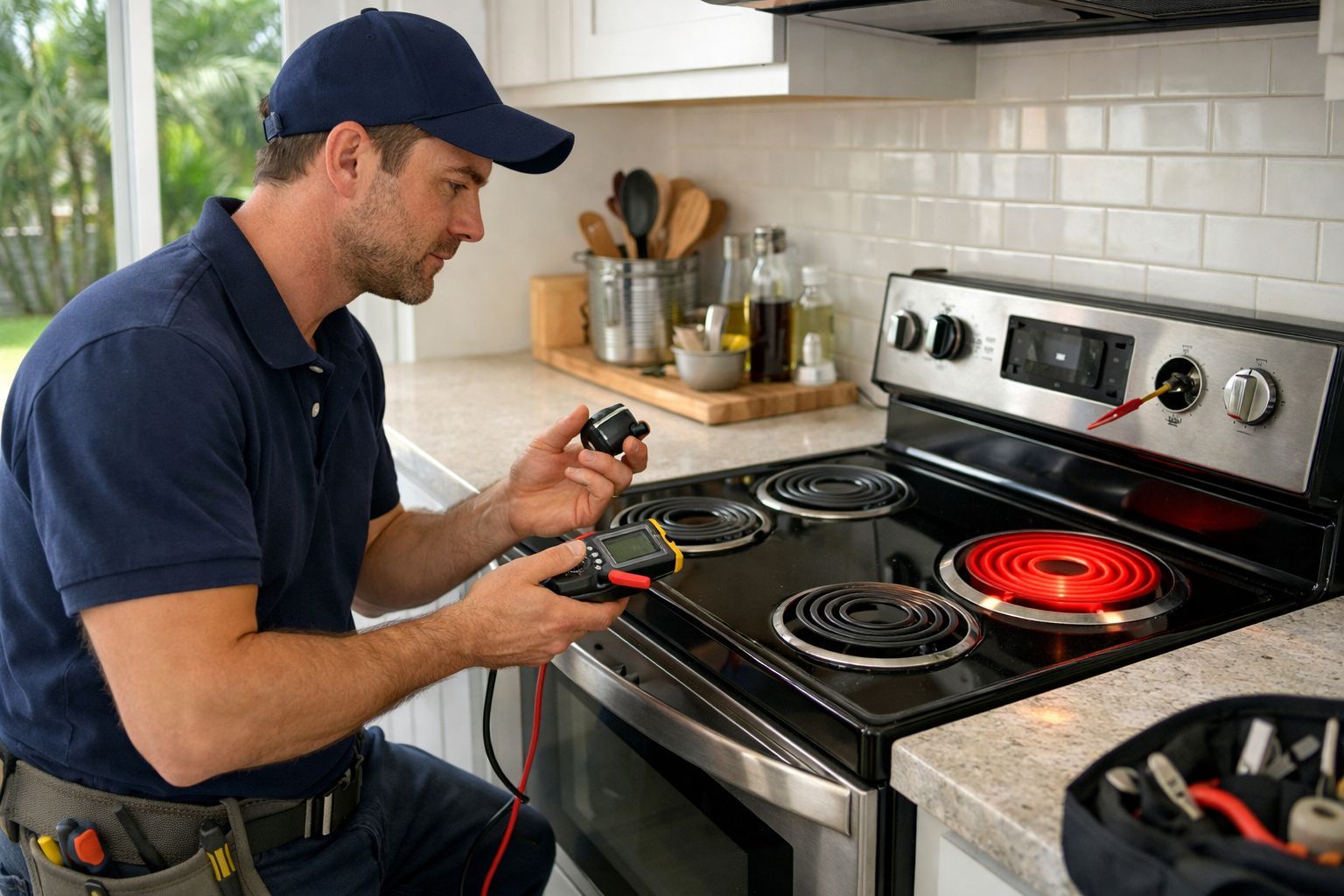
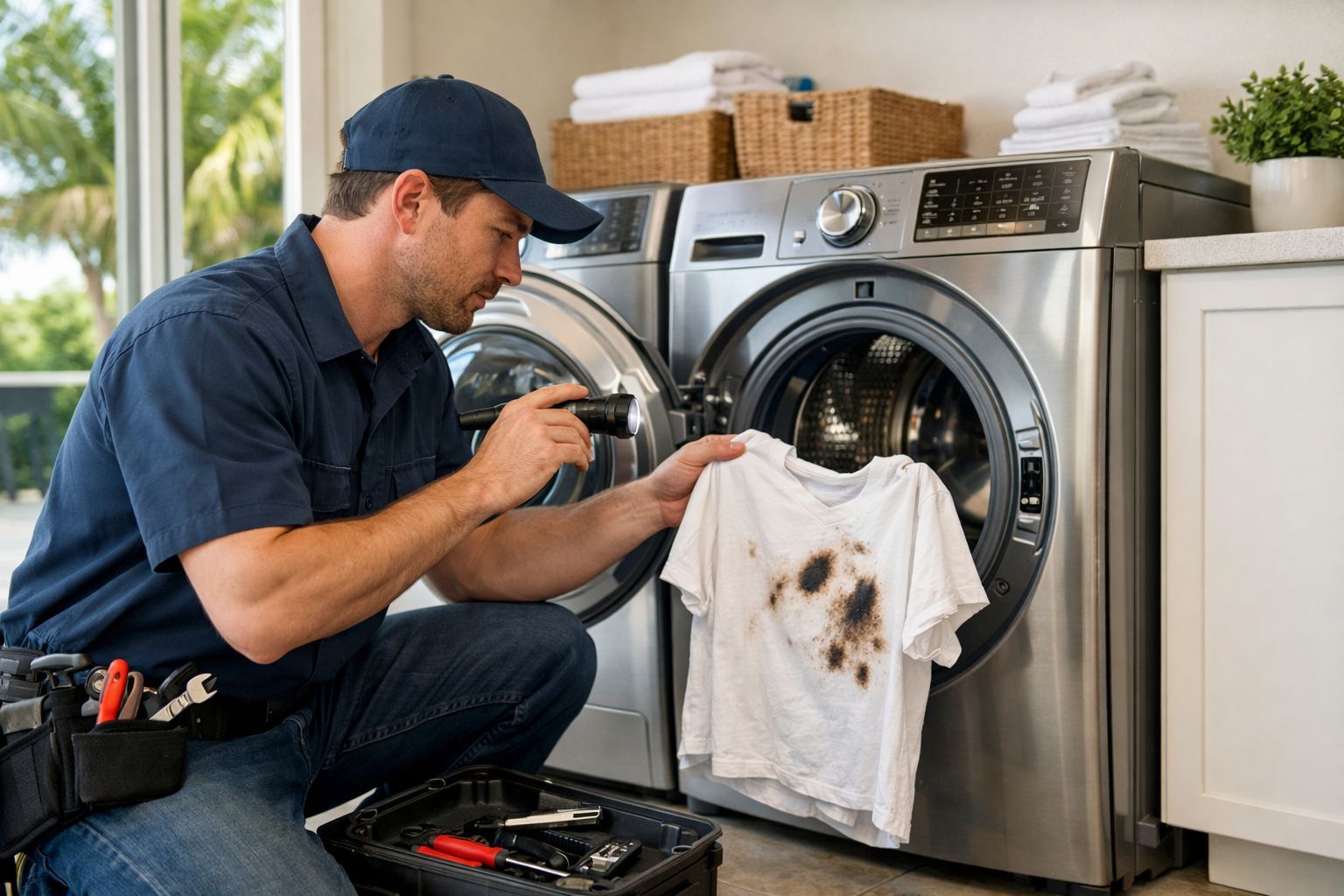
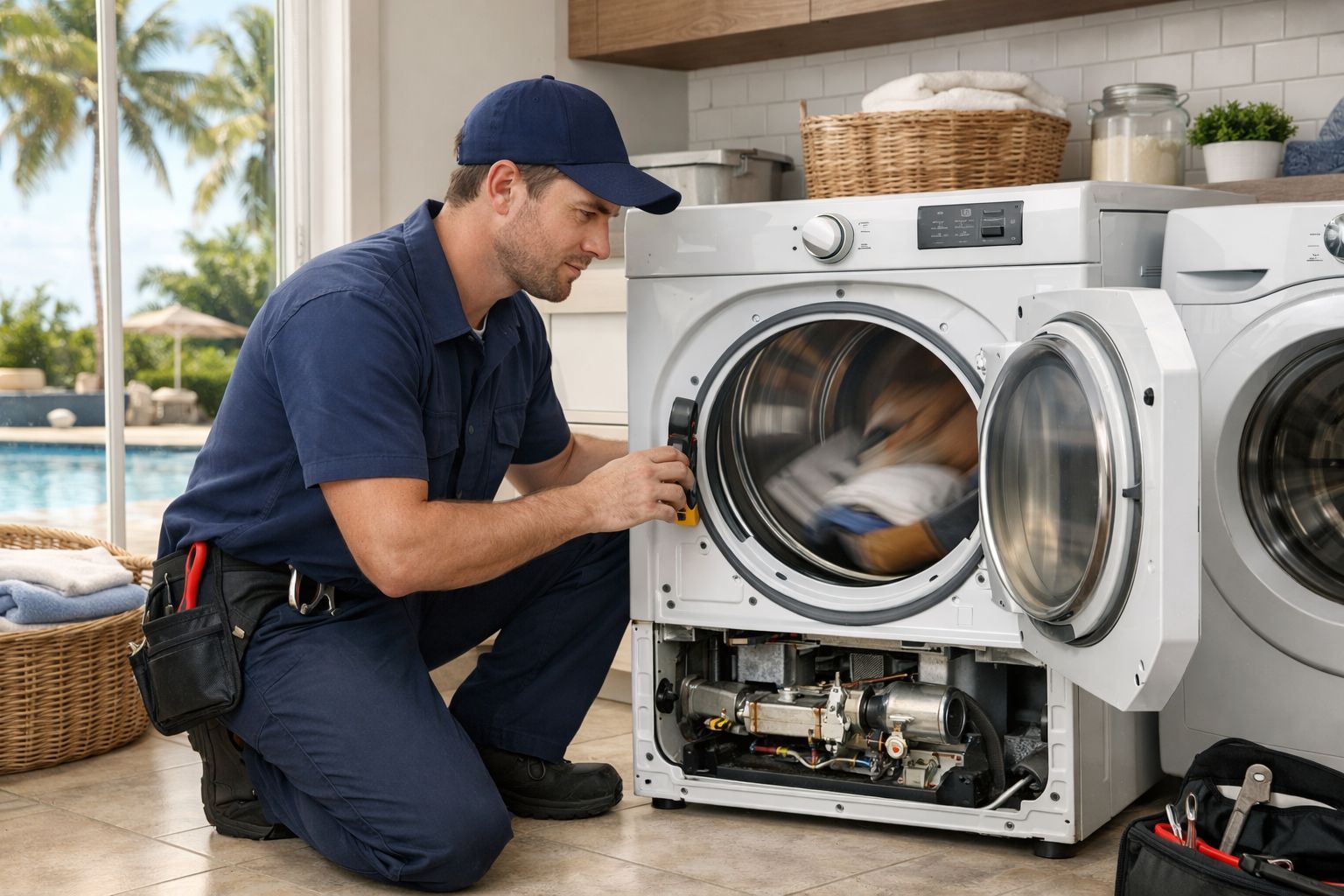
Professional Palm Coast dryer repair involves reproducing the symptom safely and checking the complete operating sequence. The technician can inspect ignition behavior, the burner and gas-valve area, airflow-related components, and drum-support parts rather than treating the noise as a parts-shopping list.
For washer and dryer repair in Palm Coast, describe the heat-versus-no-heat comparison clearly. That detail can help distinguish a burner-related vibration from a standard drum-support noise.
Frequently Asked Questions About a Gas Dryer Rattling Only When Heating
Why does my gas dryer make noise only when heat turns on?
Heat activates the ignition, gas valve, burner, and heated airflow. A vibration in those areas may occur only during a heat call.
Why is my dryer quiet on Air Fluff?
Air Fluff tumbles clothes without operating the burner. A quiet Air Fluff cycle suggests the heating sequence or heat-related vibration deserves inspection.
Can gas-valve coils make a dryer buzz?
Yes, on some models. Chattering solenoid coils can cause noise during burner operation, but a technician should confirm the source before replacement.
Should I keep using a rattling gas dryer?
Stop immediately for gas odor, smoke, burning smells, sparking, repeated ignition attempts, or severe vibration. Otherwise, avoid repeated testing and schedule service.
What should I tell the repair technician?
Provide the model number, fuel type, cycle selected, sound description, timing, Air Fluff results, drying changes, and any odor or ignition concerns.
Persistent heat-related noise should be evaluated before it develops into an ignition, airflow, or safety concern. General Appliance Service serves St. Johns, Flagler, and Volusia counties, including Ormond-by-the-Sea appliance repair. Call (386) 359-3215 for service.