


Why Does My Front-Load Washer Smell Musty Again Right After Cleaning It?
By General Appliance Service
A front-load washer that smells musty again after cleaning is frustrating, especially when the gasket was wiped and a tub-clean cycle was completed. The odor does not automatically mean the pump, gasket, or another major part has failed. Because front-load washers use less water, detergent residue and lingering moisture can create conditions that let odors return quickly.
The important distinction is whether this is an odor-only concern or part of a larger drainage, spinning, or cycle-performance problem.
Why a Front-Load Washer Smells Musty After Cleaning
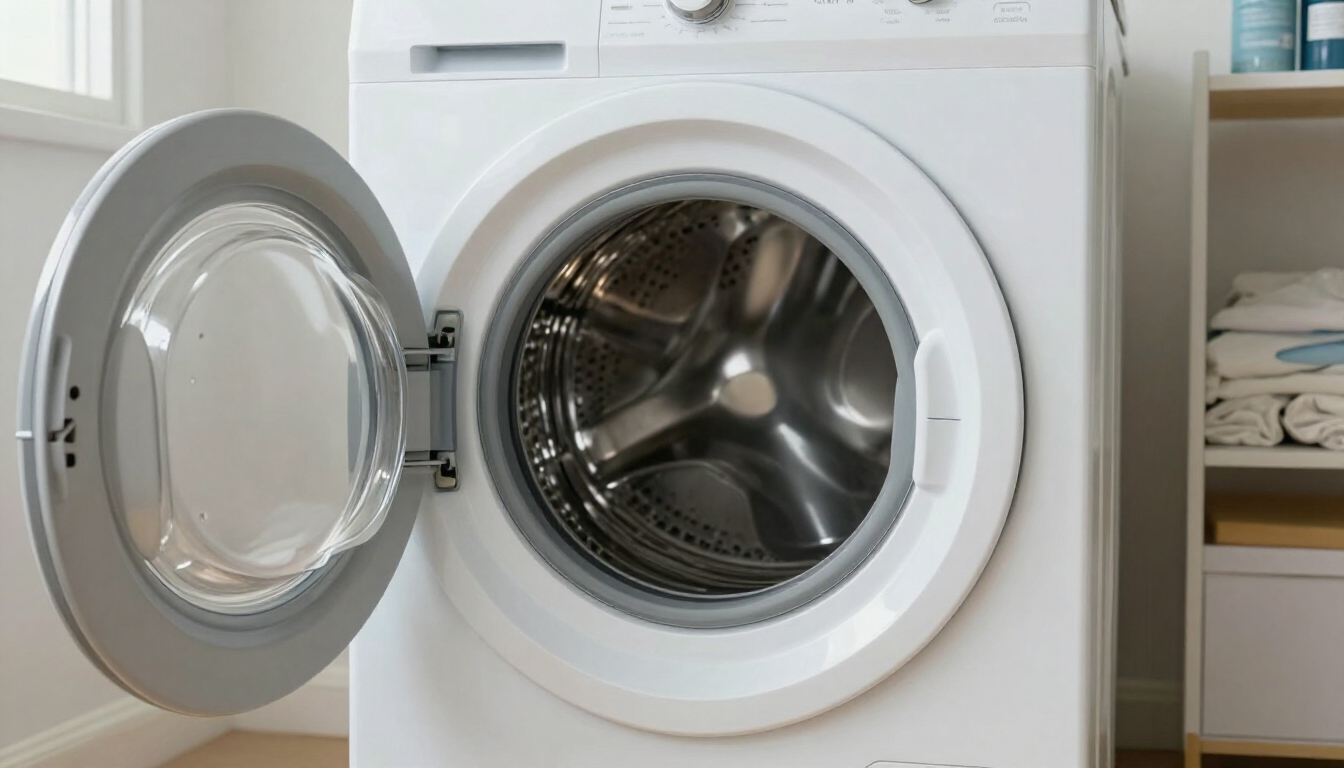
A cleaning cycle may improve the tub without reaching every place where residue collects. The lower fold of the door gasket can retain water after a load, while the detergent dispenser and its passages may hold detergent or softener deposits. Damp residue in these areas can cause odor to return even when the drum appears clean.
Excess detergent is a common contributor. High-efficiency washers require HE detergent and usually need less than homeowners expect. Extra soap does not improve cleaning; it can leave a film that traps lint, body oils, and soil. Fabric softener and scent boosters can add to that buildup.
If the odor returns soon after cleaning, review the detergent type and amount before assuming a part has failed. Follow the washer manual for load size and water conditions instead of adding more product to overcome the smell.
What a Technician Checks on a Musty Front-Load Washer
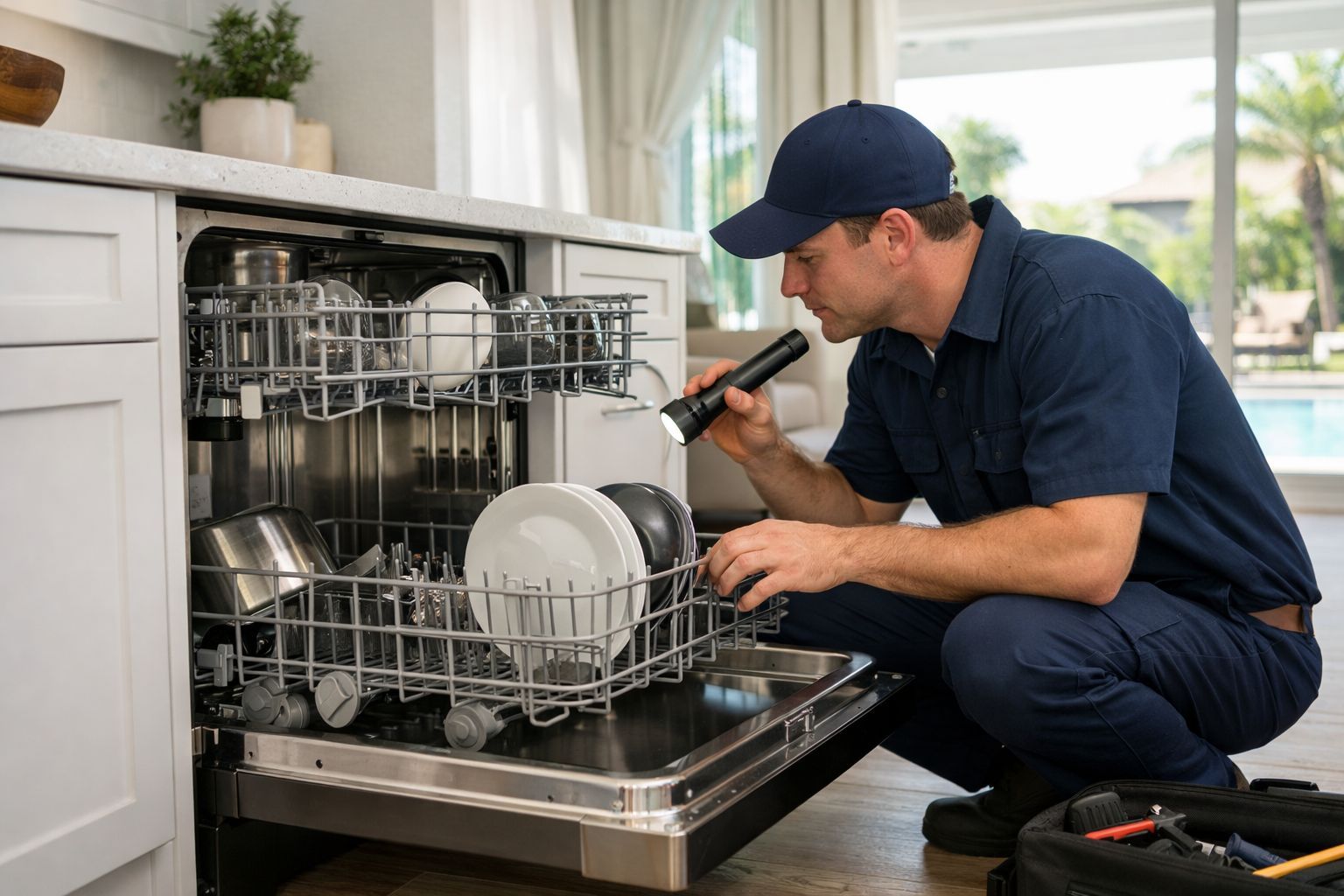
A technician identifies where the odor is strongest: the gasket, dispenser, tub, or drain area. That location helps separate ordinary residue from retained water or a possible mechanical concern.
The door boot may be checked for trapped debris, damaged folds, and water collecting in the lower area. The dispenser and related plumbing can hold hardened detergent deposits. Repeated oversudsing may leave residue in areas that are not accessible during normal cleaning.
Drain performance also matters. Slow draining, repeated drain attempts, water left in the drum, poor spinning, or interrupted cycles can point to water retention rather than normal dampness around the gasket. Depending on the model, diagnosis may include the pump path, hoses, a model-approved filter or trap, and installation-related drainage conditions.
A musty smell alone does not identify a failed pump, control board, or gasket. Those parts should be recommended only when other symptoms support the repair.
Safe Steps That Help Keep Odor From Returning
Start with the owner’s manual and use only the manufacturer-approved tub-clean cycle and cleaner. Harsh household chemicals can damage rubber, plastic, or internal components, while repeated unapproved treatments may mask residue without removing its source.
After the final load of the day, wipe visible water from the lower gasket fold with a clean cloth. Leave the door open long enough for the drum and gasket to dry. Opening the detergent drawer can help it air out as well.
If the manual permits drawer removal, rinse it thoroughly and reinstall it fully. Do not force the drawer or pour cleaner into areas not identified by the manufacturer. Some models have a user-serviceable drain-pump filter, but it should only be cleaned according to model instructions.
Avoid extra detergent, softener, or scent boosters intended to cover the odor. In a low-water washer, those products may leave additional residue behind.
When Odor May Point to a Drainage or Mechanical Problem
A small amount of water in the bottom of a front-load gasket can be normal. Standing water in the drum is different. So are slow draining, overly wet laundry, leaks, error codes, repeated drain attempts, incomplete cycles, or burning and electrical odors.
These symptoms broaden the diagnostic path. A restriction in the drain system, an installation-related drainage issue, or poor spinning can leave the washer wetter between loads and allow odor to develop faster. Do not remove panels, tip the washer, or alter the drain hose to investigate, since those steps can create leaks or further damage.
For odor combined with performance problems, Palm Coast washer repair can help identify the actual source. LG front-load models also need model-specific cleaning and detergent practices; recurring odor with standing water, errors, or door-lock concerns may require LG front-load washer repair in Palm Coast.
Homeowners in the surrounding service area can also arrange Ormond-by-the-Sea appliance repair for odor paired with drainage or cycle concerns.
Frequently Asked Questions About a Front Load Washer That Smells Musty After Cleaning
Why does my washer smell after a cleaning cycle?
The cycle may clean the tub but not fully remove residue from gasket folds, the dispenser, or damp internal areas. Review detergent use and drying habits.
Can too much HE detergent cause musty odors?
Yes. Even HE detergent can leave excess residue when overused. That film holds moisture and soil, creating sour or musty odors over time.
Is water in the door gasket normal?
A small amount in the lower gasket fold can be normal. Wipe it dry after laundry. Water remaining in the drum or slow draining needs attention.
Should I leave the door and drawer open?
Leaving the door and detergent drawer open long enough to dry is generally helpful. Follow any model-specific guidance in the owner’s manual.
When should I schedule professional washer service?
Schedule diagnosis if odor accompanies standing water, leaks, error codes, poor spinning, repeated drain attempts, interrupted cycles, or a burning or electrical smell.
For recurring odor with drainage or performance symptoms, call General Appliance Service at (386) 359-3215 instead of repeatedly running cleaning cycles that may not address the cause.