
Why Does My Refrigerator Make a Loud Fan Noise That Stops When I Open the Door?
By General Appliance Service
When a refrigerator fan noise stops when the door opens, the door switch is often changing interior fan operation. That timing is a useful clue, not a diagnosis. A scrape, whir, chirp, or rough hum may come from an evaporator fan, ice-compartment fan, damper, or another airflow part. New noise deserves attention, particularly with frost, warmer food, or reduced ice production.
What a Technician Checks When Refrigerator Fan Noise Changes With the Door
Many models use a door switch to pause interior fans while a door is open, preventing room air from being drawn through the cabinet. A noise that stops immediately may involve a fresh-food, freezer, or ice-area fan, but fan locations and controls vary by model.
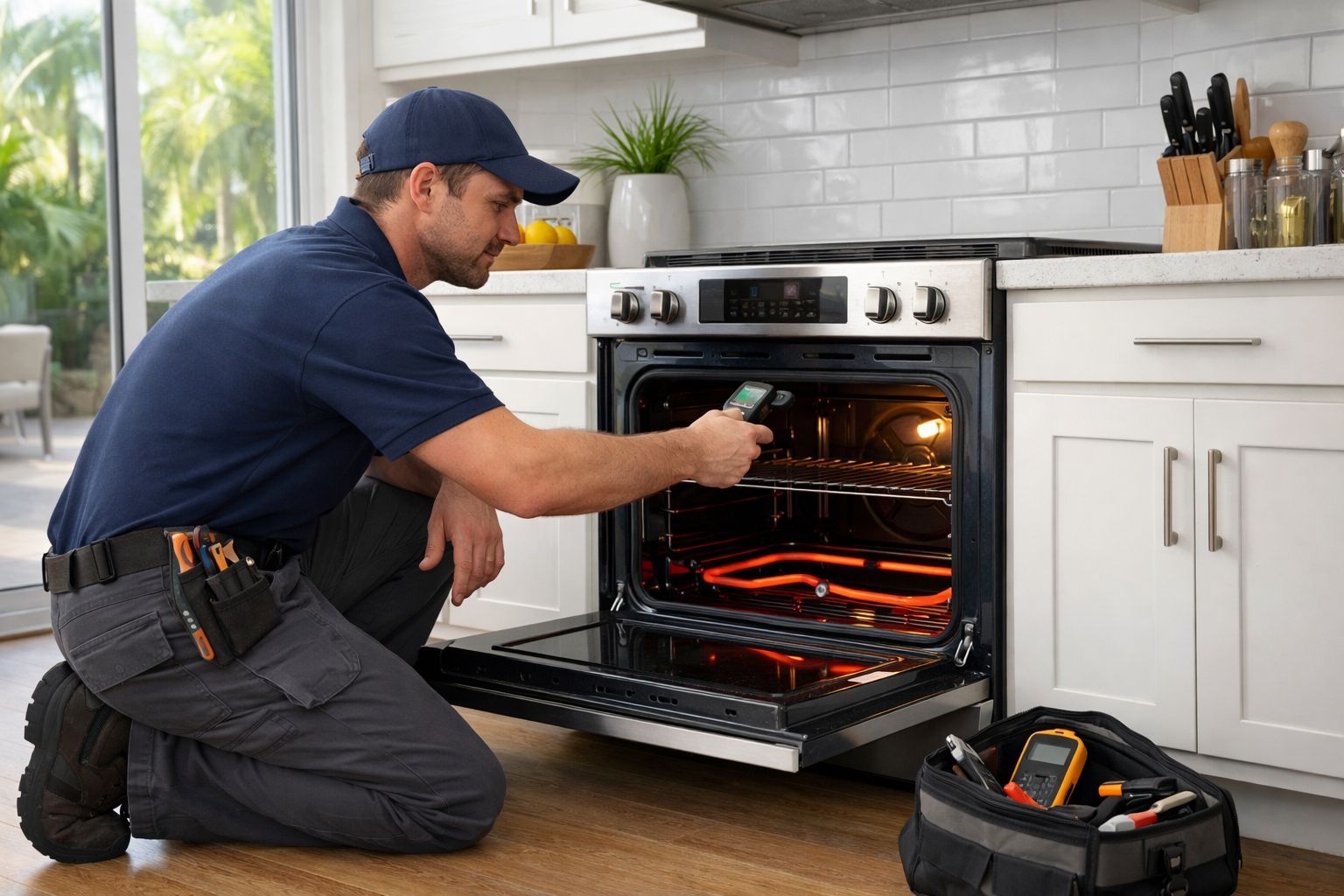
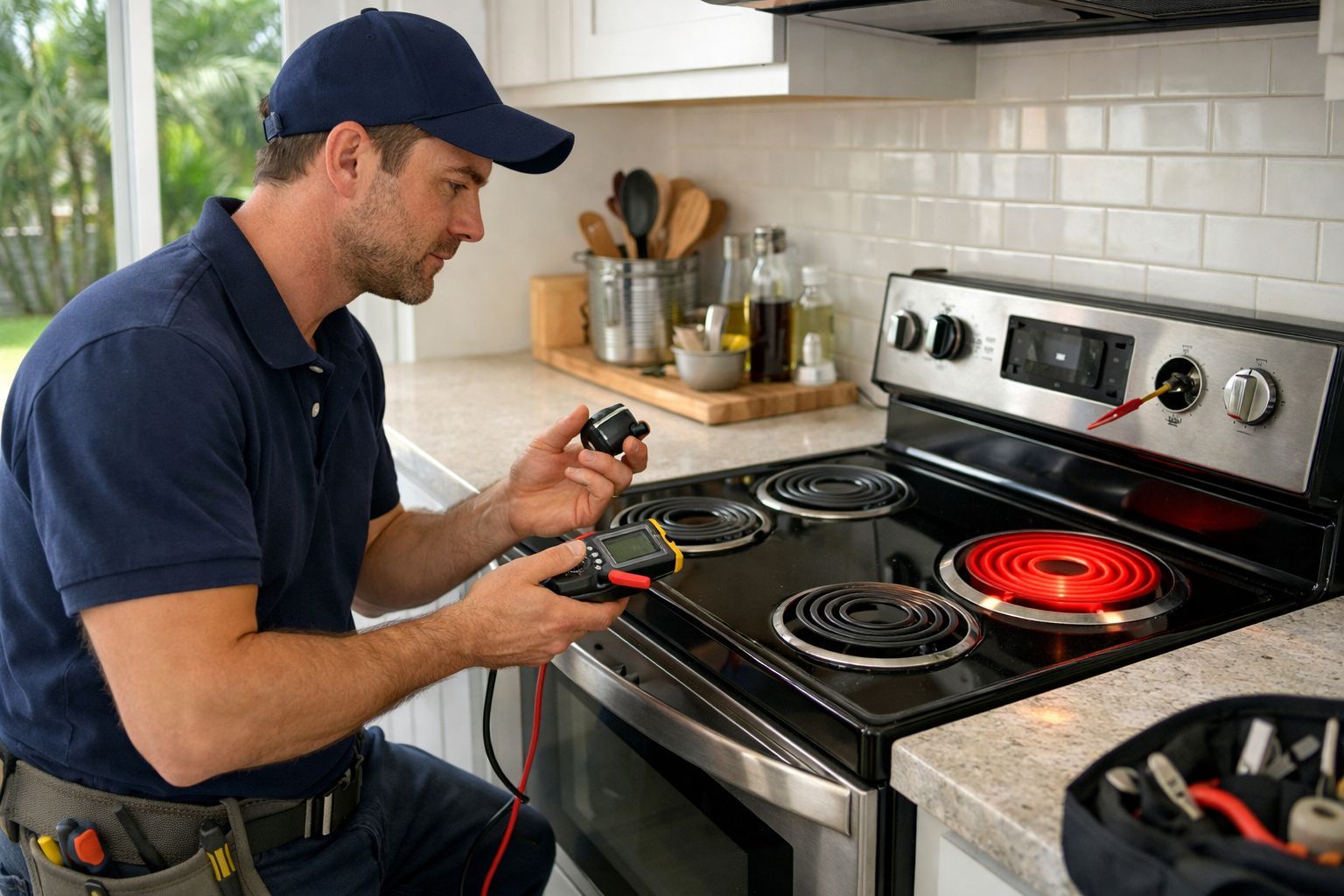
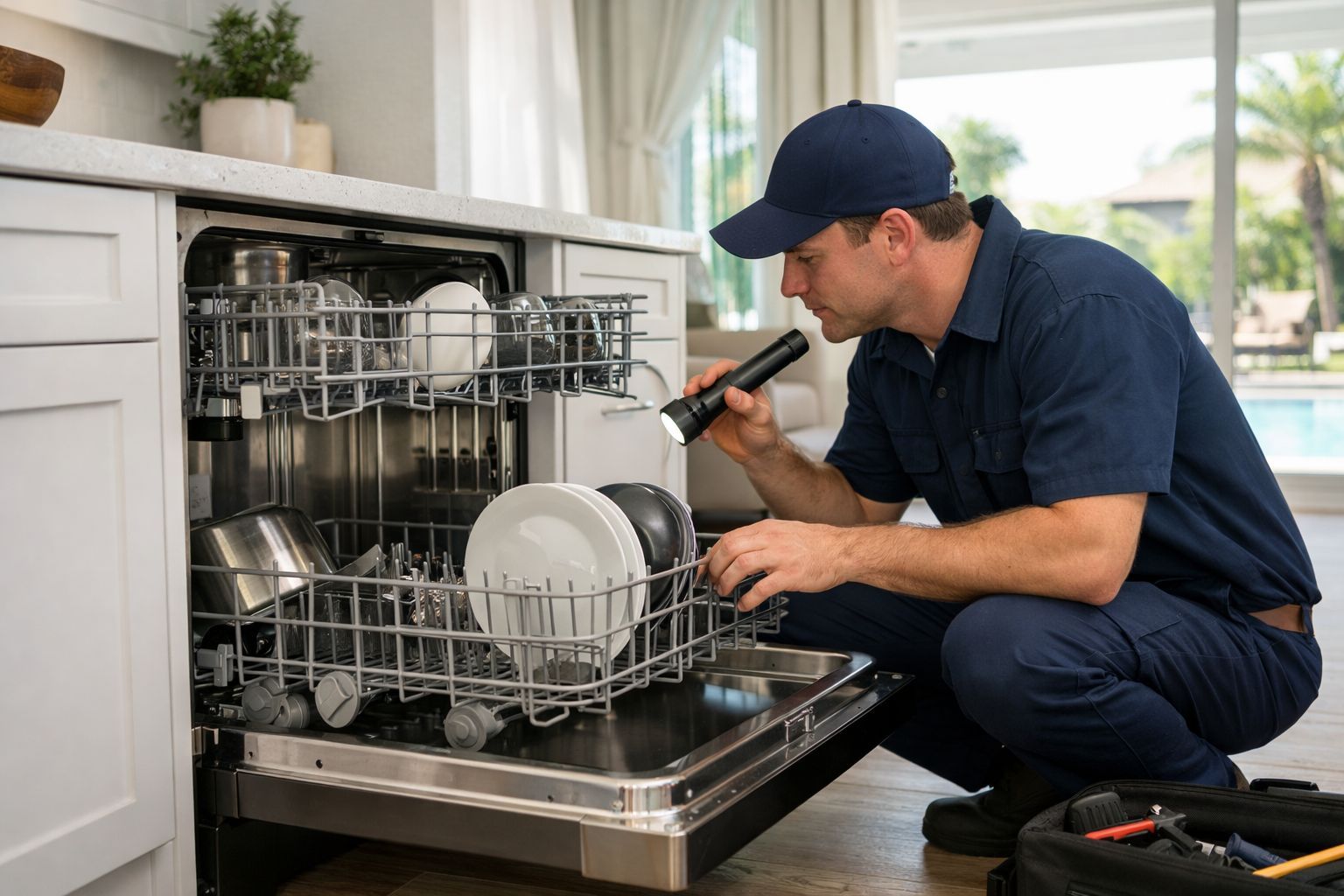
A technician confirms normal door-switch and fan behavior, reproduces the sound safely, and narrows down its location. Common checks include:
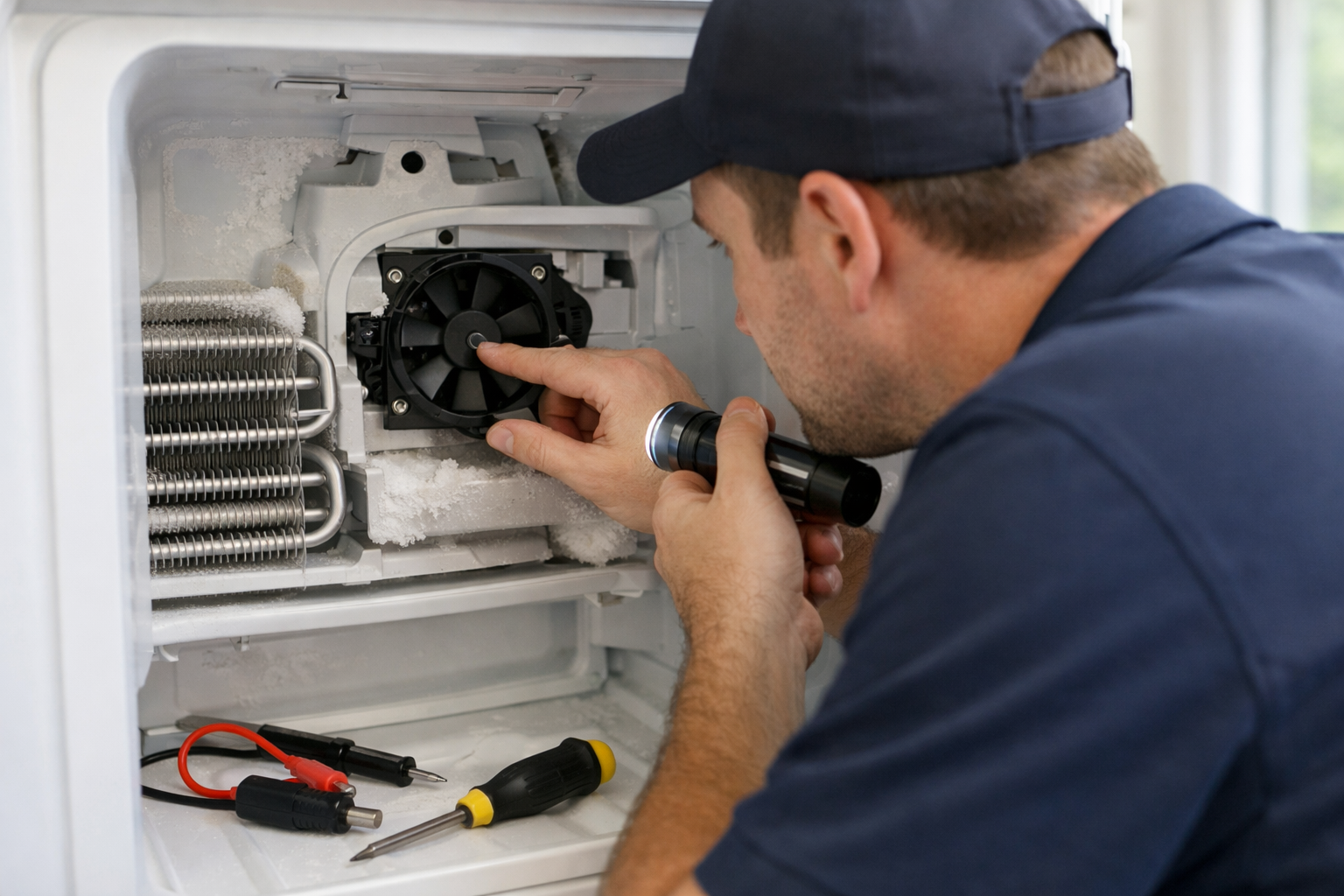
- Fan blade clearance, mounting, and shroud contact
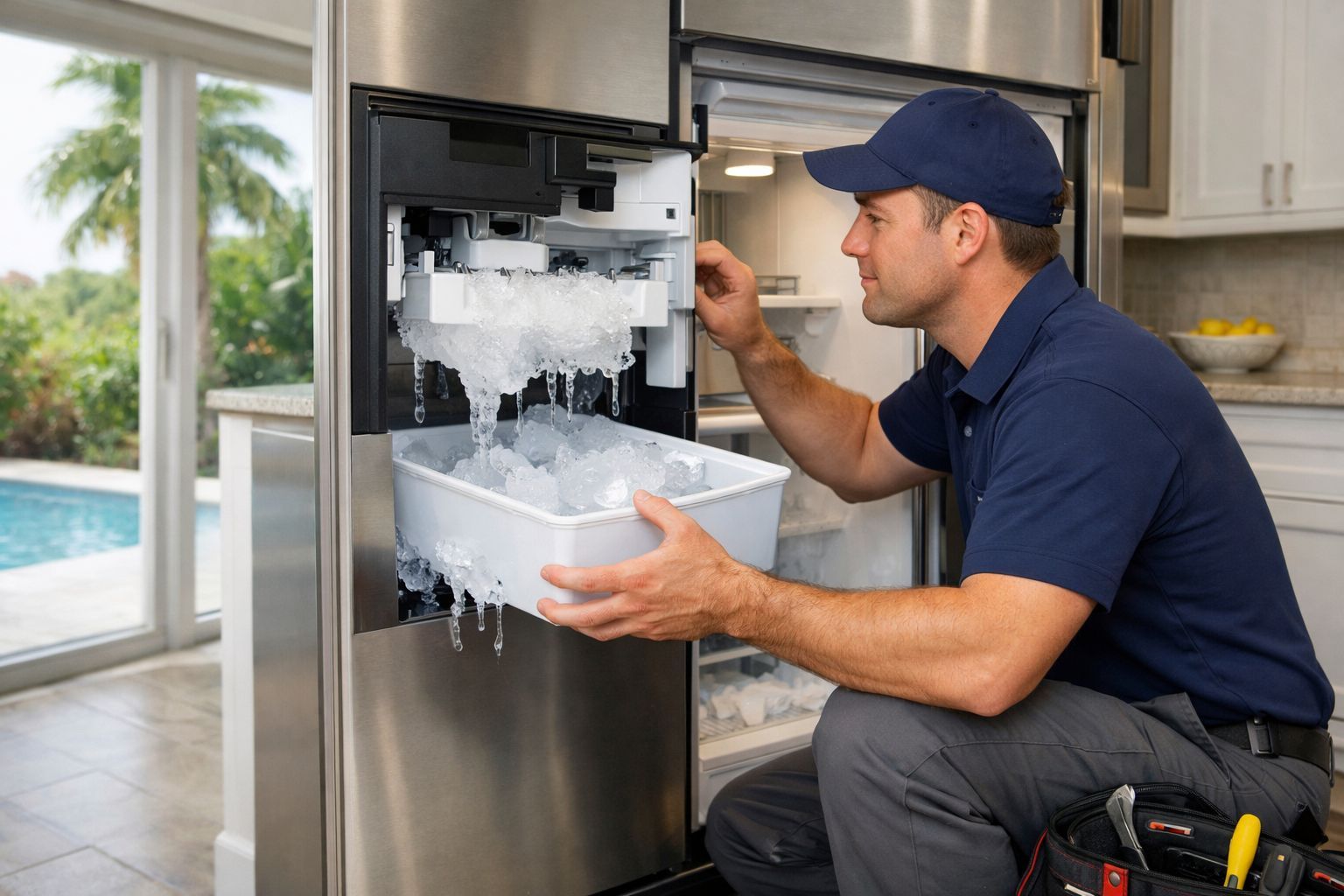
- Frost or ice around the fan and evaporator cover
- Loose bins, panels, or covers vibrating during airflow
- Motor bearing condition, airflow, wiring, sensors, and controls
Frost can build behind an interior cover until a blade clips it. A worn motor bearing usually creates a steadier whine, growl, or rough mechanical hum that becomes more noticeable over time.
Safe Checks Before Scheduling Refrigerator Repair
Record the noise with your phone from outside the refrigerator. Capture the sound with the door closed and the moment it stops after opening. Note whether the freezer, fresh-food section, or ice maker seems affected. A short recording can help narrow the diagnosis.
Check only what is visible. Make sure packages are not blocking vents, and confirm shelves, drawers, and bins are fully seated. Look for visible frost, loose ice, or an item touching the back wall.
Do not remove evaporator covers, reach into fan openings, chip ice, or use a heat gun inside the appliance. Hidden wiring, sensors, sharp edges, and the evaporator can be damaged easily.
If temperatures rise, move perishable food to a reliably cold location. Palm Coast refrigerator repair can determine whether the issue involves blade contact, a motor, defrost trouble, or a model-specific airflow component.
Frost, Fan Motors, and Other Possible Sources
No visible freezer frost does not rule out ice contact. The evaporator and fan are often behind a cover, and frost can collect in a narrow area around the shroud without covering the food compartment.
Restricted airflow, a defrost issue, drain problem, or door seal that is not closing consistently can contribute to abnormal ice accumulation. A technician evaluates the frost pattern rather than simply deciding that any frost is the problem. Light, even frost can be normal; packed frost or ice around a fan is not.
A motor is not the only possible source. A loose or warped blade can rub a shroud, while a door switch, sensor, or control issue can cause erratic operation. Some refrigerators also use separate ice-room or damper fans. Owners needing GE refrigerator repair in Palm Coast benefit from model-specific fan and control testing.
When a Loud Refrigerator Noise Needs Prompt Service
Arrange service soon when the sound becomes grinding, gets louder, returns repeatedly, or occurs with weak cooling, spreading frost, poor ice production, or an error code. A fan that stops completely can allow temperatures to rise even if the compressor continues running.
Stop using the refrigerator and seek prompt help for a burning smell, visible sparking, water near electrical components, or repeated clicking with warming temperatures. Those symptoms go beyond routine fan noise.
Service can identify the cause before rubbing develops into a cooling failure. Homeowners near the coast can also schedule Crescent Beach appliance repair for refrigerator noise and cooling concerns.
Frequently Asked Questions About Refrigerator Fan Noise That Stops When Door Opens
Why does my refrigerator noise stop as soon as I open the door?
Opening the door activates a switch that may pause an interior fan. This makes a fan or airflow source more likely than a compressor noise.
Is a refrigerator fan turning off when the door opens normal?
Often, yes. Many refrigerators pause certain fans with an open door. New scraping, grinding, chirping, or bearing-like sounds are not considered normal.
Can frost make a refrigerator fan scrape or whine?
Yes. Ice near a fan blade can create scraping, ticking, or intermittent rubbing. The frost may be hidden behind an internal evaporator cover.
Can a fan motor fail while the refrigerator still cools?
Yes. Motor bearings can wear gradually while cooling continues. A growing whine or rough hum should be diagnosed before airflow is lost completely.
Should I keep using a refrigerator with a new loud fan noise?
Monitor temperatures closely and protect perishable food. Schedule service promptly if cooling changes, frost spreads, the sound becomes harsh, or an error code appears.
A prompt diagnosis protects food storage, prevents further airflow damage, and helps distinguish a simple ice-contact issue from a motor, defrost, or control problem.