
Why a Washer Fills With Water When Off
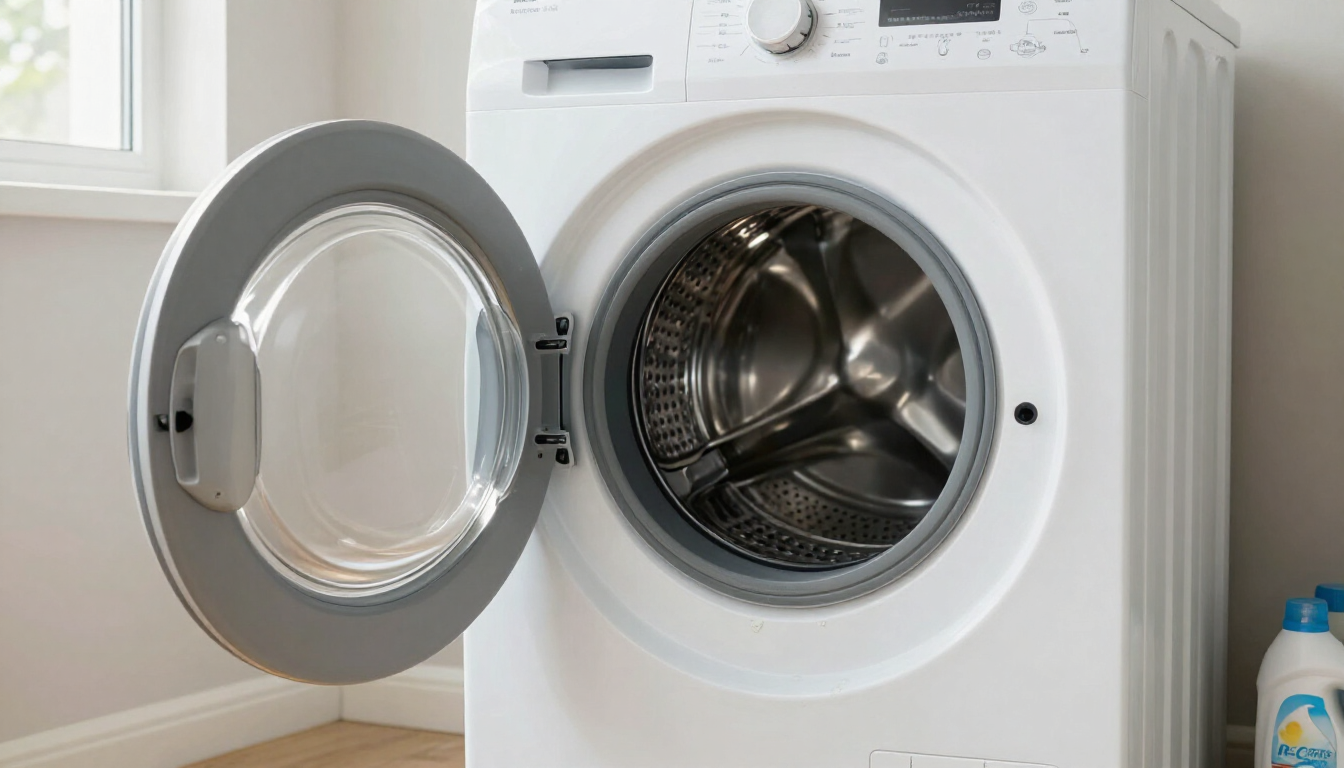
A washer that fills with water when turned off may have a seeping water-inlet valve. Water returning through the drain is another possibility. Fresh water entering an idle washer differs from water left after a cycle: first establish whether the level is rising, when it happens, and whether the water appears to come from the fill path or the drain.
Why does a washer fill with water when turned off?
The most important clue is when the water appears and whether it is actively entering the drum.
- Water slowly appears while the washer is idle: a water-inlet valve may not be closing completely.
- Water remains after a completed cycle: the washer may not be draining fully, or a small amount may be residual water.
- Water rises after a nearby fixture or another appliance drains: drain backflow may be involved.
- Water enters continuously or the floor becomes wet: close safely accessible supply valves without forcing them and arrange professional service.
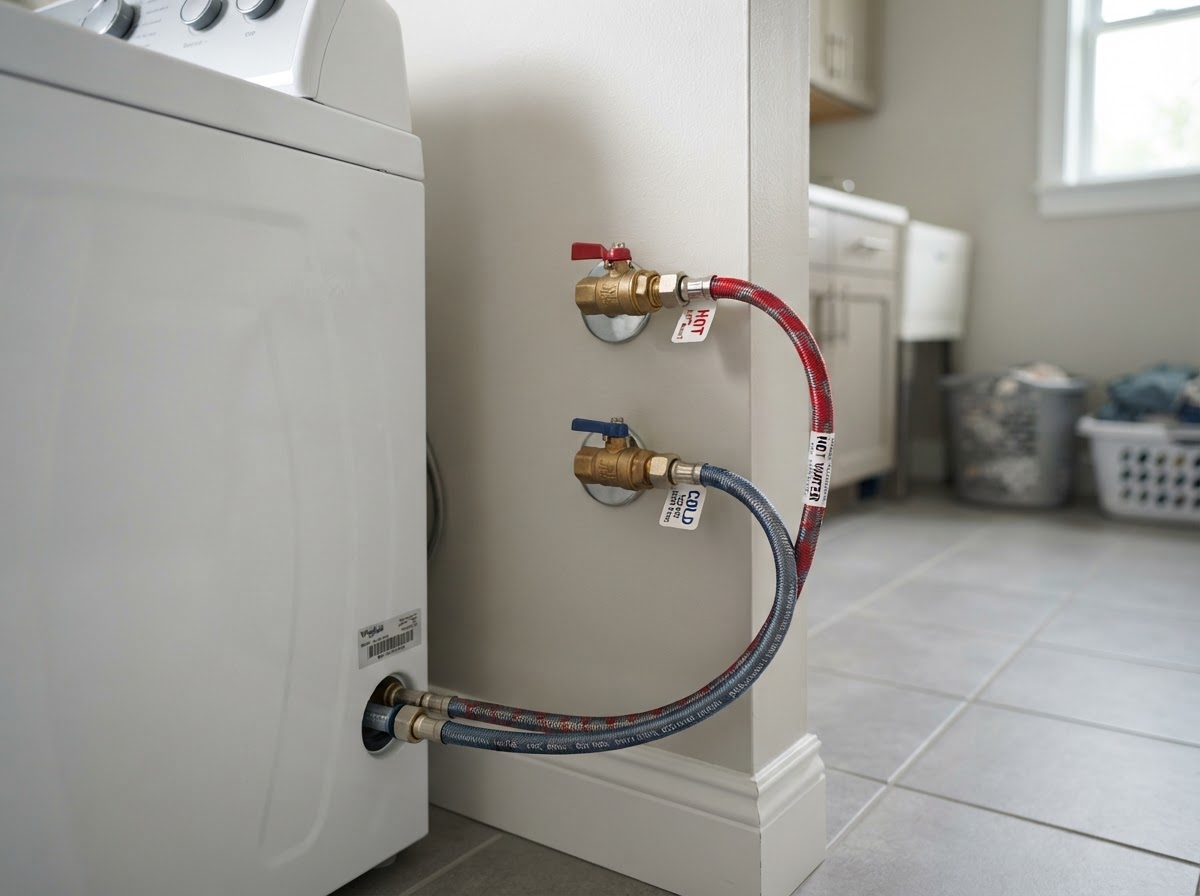
A washer can be connected to both hot and cold supply lines. Depending on the model and selected cycle, either inlet valve—or both—may contribute to the problem.
Is inlet-valve seepage different from drain backflow?
Yes. These problems can look similar, but they involve different parts of the washer and require different diagnosis.
Inlet-valve seepage
The water-inlet valve is an electrically controlled component that opens to let water into the washer and closes when the fill portion ends. If an internal seal wears out or debris prevents complete closure, water may slowly seep into the tub even when the washer is not running.
Typical clues include:
- The water is clear and gradually increases over several hours.
- The water level changes while the washer is completely idle.
- Turning off the household washer supply stops the water from entering.
- The issue may occur even when the controls are untouched.
A technician can identify the affected supply side and verify the valve condition using model-specific procedures. The valve may need replacement, but the exact part depends on the washer brand and model.
Drain backflow
Water can return through a poorly arranged or obstructed drain connection. A hose inserted too deeply into a blocked drain can contribute to backflow. Siphoning is a different installation problem: it pulls water out of the tub during filling, rather than explaining fresh water entering a switched-off washer. Hose height and insertion requirements depend on the model.
Water returning after another fixture drains can point toward the drain connection. Water that never left the tub points toward incomplete draining. Neither observation alone proves that the inlet valve is defective.
What should you do if water keeps entering the washer?
If fresh water is actively entering an idle washer, take only safe, accessible steps:
- Keep children and pets away from the wet area.
- If it is safe to do so, close the accessible hot and cold washer supply valves.
- If the valves are stuck, unusually difficult to turn, or inaccessible, do not force them.
- Avoid plugs, cords, control panels, and other electrical components near standing water.
- Do not move stacked equipment or pull the washer away from the wall.
- Contact a qualified appliance technician for diagnosis.
Do not open panels, remove covers, or perform live electrical tests. Even when the washer appears switched off, internal components and wiring can present electrical and mechanical hazards. A technician can inspect the inlet system, drain setup, pressure-sensing components, and control operation without relying on unsafe homeowner testing.
For local service information, see Palm Coast washer repair . General Appliance Service provides certified appliance repair in Palm Coast and surrounding Flagler County communities, including same-day availability when scheduling permits.
How do technicians diagnose an idle washer filling?
Diagnosis should be based on the symptom, model information, and the water’s behavior—not on replacing parts at random. A technician may:
- Confirm whether water is actively entering while the washer is off.
- Determine whether the water is associated with the hot or cold supply.
- Inspect the visible drain-hose position and accessible drain connections.
- Check for signs of incomplete draining, siphoning, or a blocked drain path.
- Review the washer’s model-specific fill, pressure-sensing, and control systems.
- Test components using safe procedures appropriate for that appliance.
A technician may also ask when the water appears, how quickly the level rises, whether it happens after another appliance drains, and whether the washer was recently installed or moved. These details can help separate inlet-valve seepage from drain backflow before service begins.
When is washer water a safety concern?
Water should be treated as an urgent concern when it is approaching electrical connections, spreading across the floor, or continuing to enter after the washer is turned off. A slow drip can still damage flooring, cabinets, the washer base, and nearby walls.
Use extra caution with stacked washer-dryer units, tight laundry closets, and appliances installed on elevated platforms. Do not climb, shift, or disassemble equipment to reach a valve. If you cannot safely access the shutoffs, leave the equipment in place and request professional help.
If the water has stopped and there is no immediate hazard, document the symptom with a photo and note whether it appeared during idle time or after a cycle. Keep the model and serial information available for the service appointment.
Washer filling with water when off: FAQs
Can a washer fill with water when it is unplugged?
Yes. If the water-inlet valve is mechanically failing, water pressure can force a slow seep even when the washer has no electrical power. Closing the accessible hot and cold supply valves is the safer temporary measure; do not open the appliance to investigate.
Is water left in the washer always a broken part?
No. A small amount of water may remain in some areas after a cycle. A rising water level, standing water in the drum, repeated wetness, or water appearing while the washer is idle should be evaluated because it may indicate an inlet or drainage problem.
Should I turn off one washer water valve or both?
If the washer is actively filling while off, close both accessible hot and cold supply valves if they turn normally and can be reached safely. Closing only one may not stop the problem if the other supply is involved. Never force a stuck valve.
Can a drain hose cause water to enter an idle washer?
An obstructed drain or a hose inserted too deeply can contribute to water returning to the washer. Incorrect hose height can also cause siphoning during filling, a different symptom. Follow model-specific installation guidance; do not move equipment or alter plumbing around standing water.
When should I call a washer repair technician?
Call when water continues entering, the washer repeatedly retains water, the supply valves are inaccessible, the drain setup is unclear, or standing water creates a safety concern. For service beyond Palm Coast, review Ormond-by-the-Sea appliance repair availability.
Key takeaway
Fresh water entering an idle washer can point to an inlet valve that is not sealing. Water returning through the drain and water retained after a cycle follow different diagnostic paths. If water keeps entering, close safely accessible hot and cold supply valves without forcing them. Stay away from plugs and controls near standing water. Do not open panels or move stacked equipment. General Appliance Service can arrange model-specific diagnosis in Palm Coast at (386) 359-3215.