

Why Is My Washer Leaving Grease-Like Spots on Clean Clothes?

General Appliance Service • November 7, 2026

Share this article

By General Appliance Service

Dark gray, oily-looking, or grease-like marks on clean laundry are frustrating, especially when they seem worse after drying. A washer leaving grease spots on clothes does not automatically have a failed seal, bearing, or transmission. Marks can come from laundry products, contaminants carried in with clothing, buildup inside the washer, or an internal mechanical problem. The most helpful first clue is whether stains appear after washing or only after dryer heat.

What a Technician Checks When a Washer Leaves Oily Marks

A technician examines the stain before assuming it is grease. Oily residue can resemble detergent buildup, fabric-softener wax, lint-filled residue, or cosmetics that melted during the wash. The stain pattern also matters.

A few marked items may point to a pocket item, lotion, lip balm, makeup, cooking oil, or a detergent pod that touched fabric before dissolving. Similar marks across most loads suggest the washer or laundry routine needs attention.

During diagnosis, accessible dispenser areas, the basket, cabinet base, hoses, and visible drive components may be inspected. Technicians also check for unusual spin noise, excess basket movement, rubbing, leaks, and oily evidence beneath the cabinet. A costly repair should not be recommended until the source is confirmed.

Check Laundry Products and Pockets Before Blaming the Washer

Photograph stained items before rewashing them, and note whether marks affect every fabric type or only certain garments. That can reveal whether the issue follows a particular load, person, or product.

Check pockets for lip balm, crayons, cosmetics, hair products, oils, or greasy shop rags. Fabric-softener sheets can also leave waxy spots when trapped in a fold of clothing.

Using extra detergent is another common cause. Excess detergent and softener may cling to the dispenser, basket, and fabrics, where they collect lint and soil and later appear as dark smears. Use the amount specified for the washer and detergent type.

Wipe accessible dispenser surfaces and the door boot or lid area with a soft cloth. If the owner’s manual provides a washer-cleaning cycle, run it as directed. Avoid unapproved cleaners, solvents, or improvised treatments.

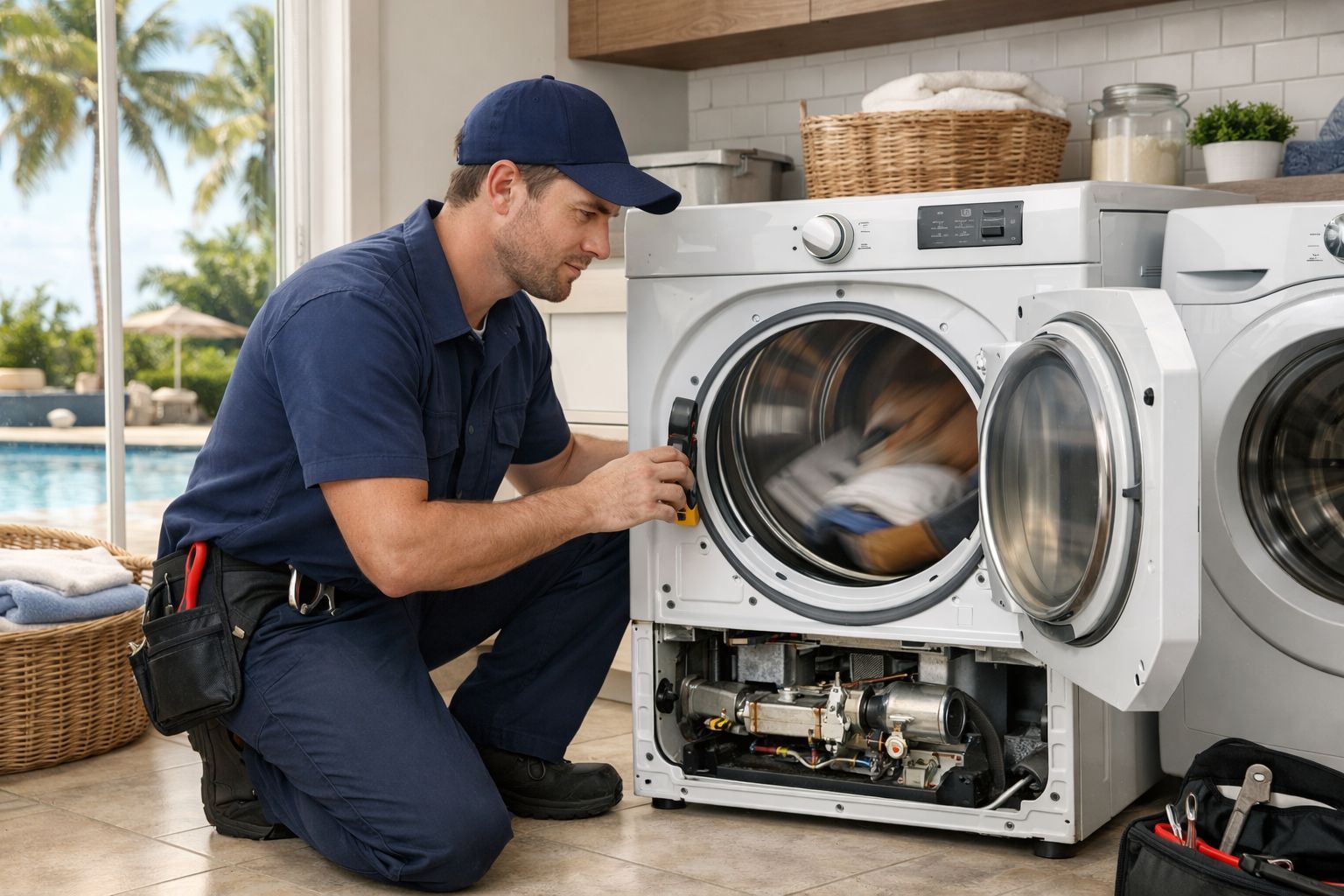
Illustrative appliance diagnostic inspection
AI-generated illustration of an appliance inspection.

Why Dryer Heat Can Make the Marks Look Worse

The dryer may not create the original stain. Heat can set oily, waxy, or detergent-based residue into fibers, making faint marks much more noticeable. Inspect clothing before it enters the dryer whenever possible.

If marks are visible after washing, set aside affected items instead of drying them. Repeated high heat can make stains harder to remove and may make the dryer seem like the source of the problem.

If clothes leave the washer looking clean but develop marks after drying, consider both appliances and the products used. For recurring problems tied to either stage, washer and dryer repair in Palm Coast can help distinguish wash-cycle contamination from heat-related staining.

When Grease-Like Spots Can Signal a Mechanical Problem

A mechanical cause is more concerning when stains occur with a puddle, oily residue beneath the washer, loud new spin noise, a burning odor, scraping, or noticeable basket play. Stop using the washer if these symptoms appear. Continued operation can worsen a leak or damage nearby flooring.

Some washer designs have seals and drive-area joints where a failure can permit lubricant contamination. Still, dark marks alone do not prove a seal has failed. The washer design, residue location, noise, and leakage all matter.

Technicians may evaluate bearings, suspension movement, hoses, seals, and drive components. For repeated staining accompanied by noise, leaks, or spin trouble, Palm Coast washer repair is safer than removing panels, tipping the appliance, or attempting seal and bearing work at home.

Keep notes about detergent type, product amount, affected fabrics, and whether marks appear before or after drying. Homeowners with recurring washer symptoms can also arrange Flagler Beach appliance repair for an inspection.

Frequently Asked Questions About a Washer Leaving Grease Spots on Clothes

Can too much detergent leave dark spots on clothes?

Yes. Excess detergent may not rinse completely, especially in overloaded or low-water loads. It can combine with lint, softener residue, and soil to create dark marks.

Why do washer stains look worse after the dryer?

Dryer heat can set residue into fabric fibers and make it more visible. Check laundry before drying, since untreated stains are generally easier to address before heat-setting.

Can a bad washer seal put oil on laundry?

It can on certain washer designs if lubricant migrates from a drive-area component. However, stains alone are not enough evidence to diagnose a failed seal.

Should I run a washer-clean cycle first?

If the owner’s manual recommends one, yes. Run the approved cycle after checking detergent use and pockets. Seek service if staining, leaks, noise, or oily residue continue.

Is it safe to use a washer with oily residue underneath?

No. Stop using the appliance and arrange an inspection. Residue beneath the washer may indicate a mechanical leak or another problem that can worsen during operation.

Persistent stains deserve a careful diagnosis rather than guesswork. Checking laundry habits first can prevent unnecessary repairs, while leaks, noise, or visible oil call for prompt professional attention.

Recent Posts

By General Appliance Service • November 18, 2026
Learn why a gas dryer heats then blows cold air later in the cycle, what burner cycling is normal, and when delayed heat loss needs diagnosis.

By General Appliance Service • November 17, 2026
Is your electric oven taking too long to preheat? Learn what can cause slow heating, why the display may be misleading, and when professional diagnosis is needed.
Washer fills with water when turned off
November 16, 2026
Why does your washer fill with water when turned off? Learn how inlet-valve seepage differs from drain backflow, what to shut off safely, and when to call a technician.
By General Appliance Service • November 15, 2026
Learn why a front load washer smells musty after cleaning, what homeowners can safely check, and when drainage or residue problems need professional diagnosis.

By General Appliance Service • November 14, 2026
An electric stove burner that stays on high is a temperature-control problem. Learn what may cause it, what to check safely, and when to stop using the range.

By General Appliance Service • November 13, 2026
A refrigerator fan noise that stops when the door opens may involve normal fan timing, frost contact, or a failing motor. Learn what to check safely.
By General Appliance Service • November 12, 2026
A dishwasher knocking noise during the wash cycle may be caused by spray-arm contact or a wash-system problem. Learn what to check safely and when repair is needed.
By General Appliance Service • November 11, 2026
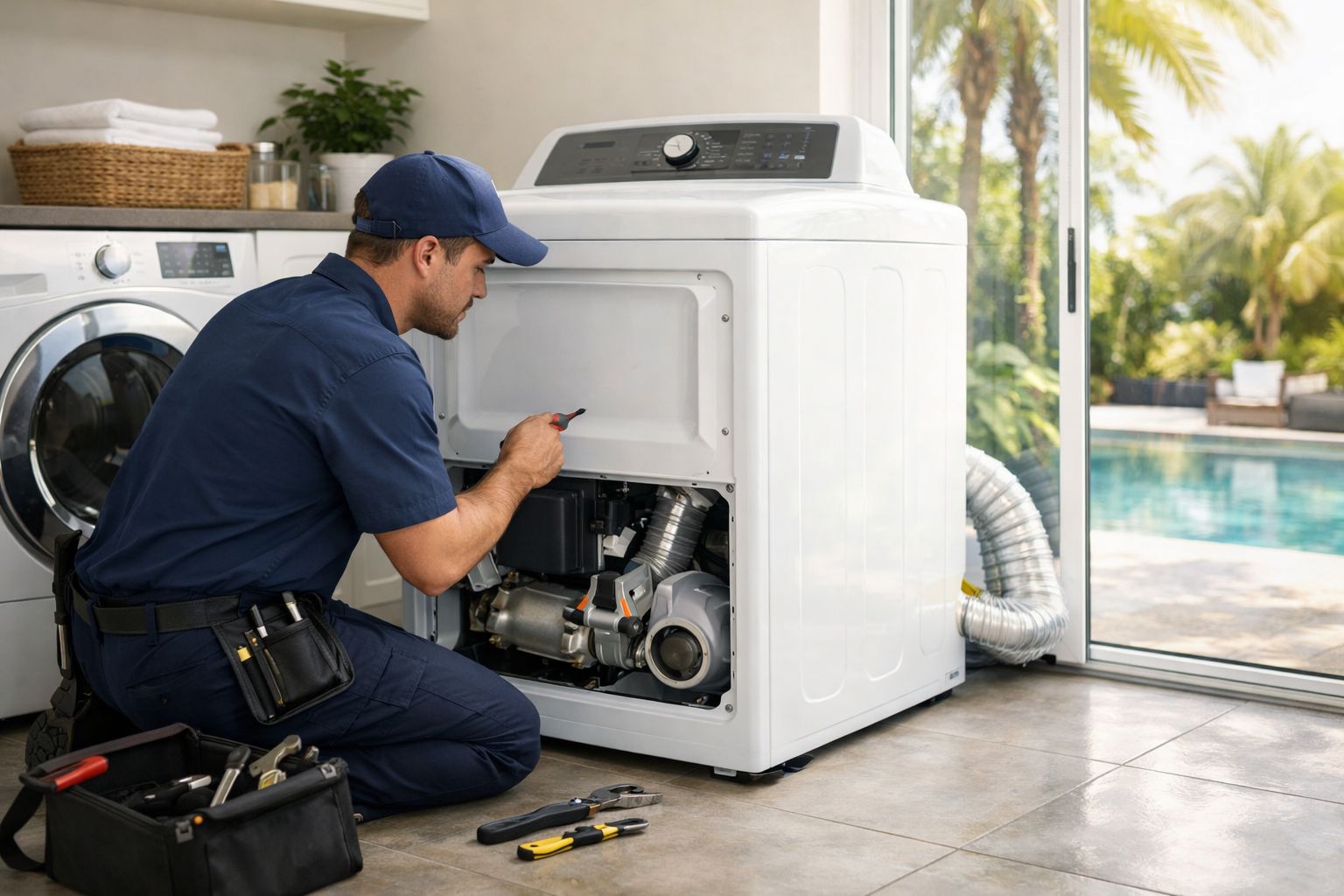
Gas dryer rattles only when heating? Learn what a heat-only buzz or chatter can indicate, what to check safely, and when to call for dryer repair.

By General Appliance Service • November 10, 2026
Learn why an oven display resets when heating, what homeowners can safely check, and when a heat-related power loss needs professional diagnosis.
By General Appliance Service • November 6, 2026
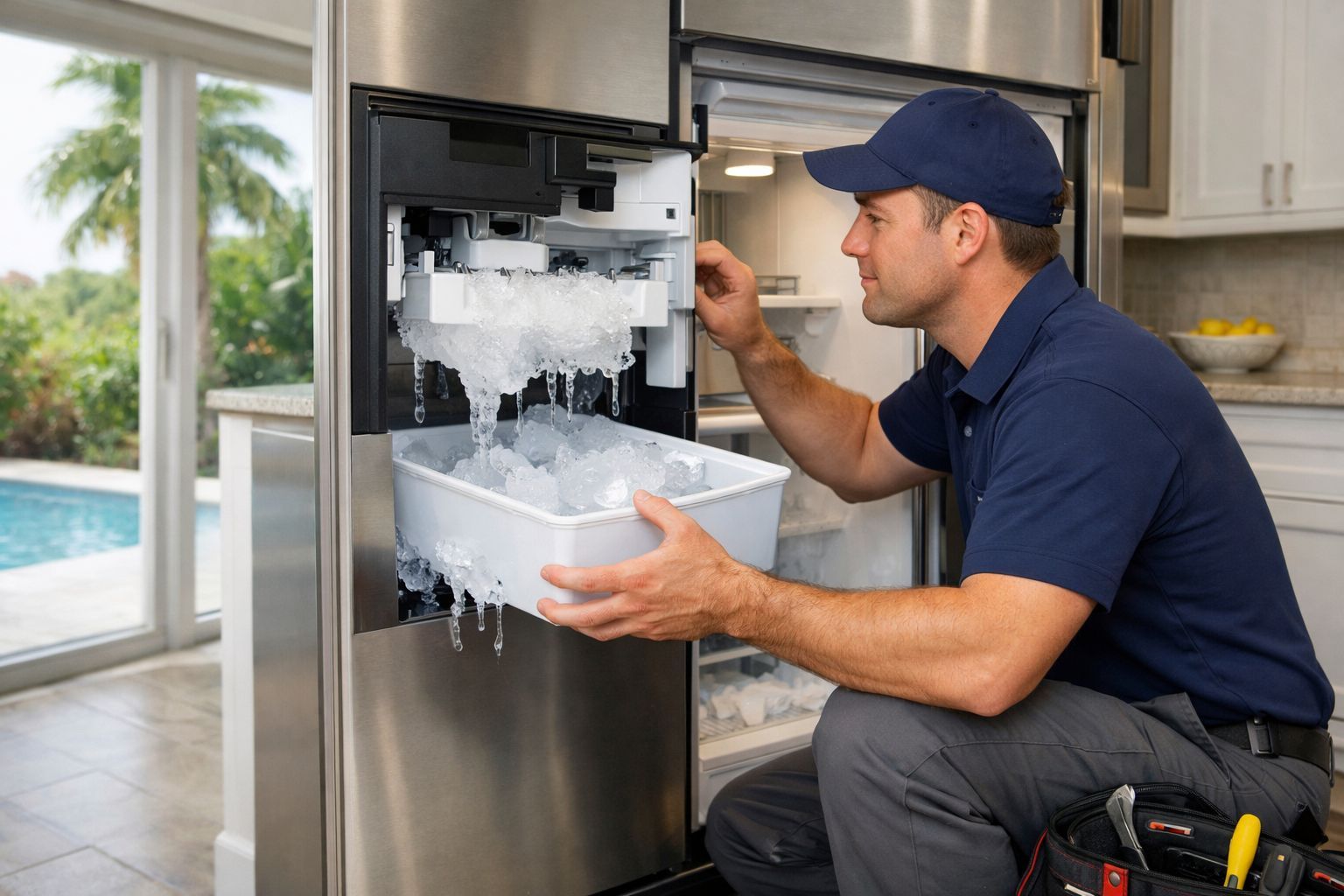
Ice maker overfilling and making icicles can point to a seeping valve, frozen fill tube, mold damage, or another issue. Learn what to check safely.
Show More